
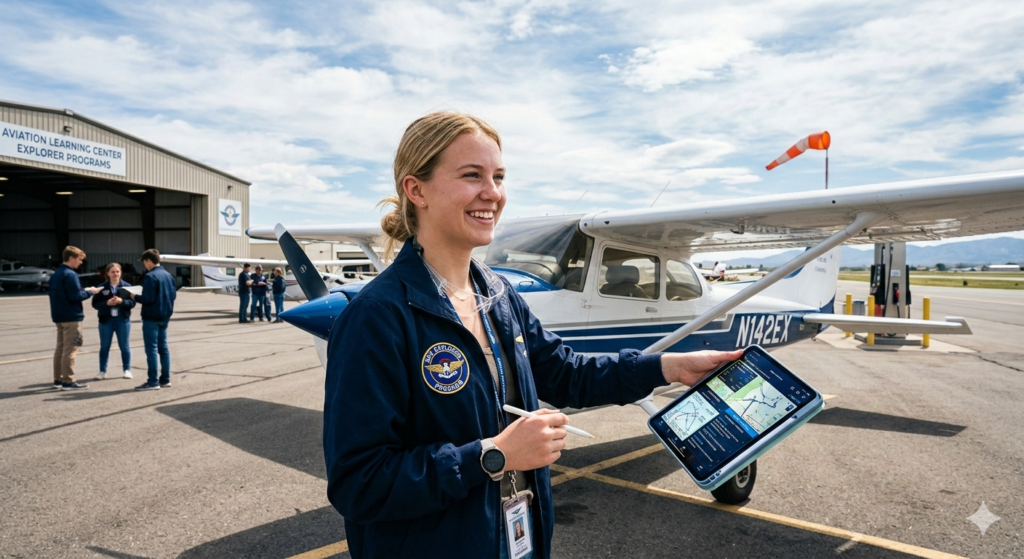
Have you ever looked up at a passing jet and felt a pull so strong you knew you had to be up there? That moment of clarity usually arrives with a confusing follow-up question: “Where on earth do I even start?” The path from dreaming about flight to actually sitting in a cockpit can feel cluttered with confusing jargon, hefty price tags, and a million unknowns. But what if there was a way to test the waters, get your hands on the controls, and network with industry pros long before you commit to flight school? Enter the aviation explorer program—a gateway that transforms sky-high ambitions into a tangible flight plan.
Whether you are a high school student plotting your future or a career changer looking for a new heading, this guide will walk you through everything you need to know about these life-changing opportunities.
What Exactly Is an Aviation Explorer Program?
An aviation explorer program is a hands-on, career-oriented initiative designed for young people (typically aged 14 to 20) who want to explore the world of aviation. Think of it as a flight school sampler platter. You don’t just read about aerodynamics in a textbook; you actually experience the cockpit, talk to pilots, and learn what it takes to succeed in the industry.
These programs usually fall under two main umbrellas:
- Exploring/Learning Based: General introduction to aviation sectors, often including flight simulation and basic theory
- Career-Based: In-depth exposure to specific roles like commercial pilot, military aviator, or aerospace engineer
Unlike private flight training, which can cost thousands upfront with no refunds if you quit, these programs offer a low-risk, high-reward environment. You get mentorship, clarity, and a massive head start.
Why You Should Join an Aviation Explorer Program Right Now
Why wait until college to figure out if you love flying? By joining a program now, you seize control of your future. Here is what you stand to gain:
- Hands-On Flight Experience: Many programs guarantee you actual time in a training aircraft. According to South Dakota State University, their “Exploring Aviation” course gives students the chance to fly at least twice during the semester.
- Industry Connections: You will meet professionals who can write recommendation letters, offer internships, or provide career advice.
- Resume Building: Admissions boards and employers love to see initiative. Participation shows dedication.
- Mentorship: You get direct feedback from those who have already navigated the tricky path to the cockpit.
Types of Aviation Explorer Programs Available
Not all programs fly the same route. You need to pick the one that aligns with your specific goals. Let’s break down the most common options available today.
University-Based Exploration Courses
Many colleges offer introductory courses specifically for prospective students. These are perfect for testing if a university’s aviation program fits you.
- What they offer: Flight simulation labs, career seminars, and actual discovery flights.
Youth Development Programs
Organizations focused on mentorship and leadership often host events at major airshows where members can network and build connections.
- Best for: Building leadership skills and networking from a young age.
Technology and App-Based Learning
While not a physical program, modern training tools are often used within curricula to teach students how to track flights and manage situational awareness. Understanding these tools is frequently part of explorer programs, bridging the gap between theory and real-world operations.
What to Look for in a Quality Program
Choosing the wrong program can waste your time and money. Keep your eyes on the horizon and look for these critical features:
- Access to Equipment: Does it include flight simulation or actual aircraft time?
- Qualified Mentors: Are the instructors current or former pilots?
- Networking Opportunities: Does the program connect you with airlines or military personnel?
- Affordability: Look for transparent pricing. Some programs charge a small fee for flights, while others may be covered by grants or sponsorships.
How Much Does It Cost?
This is the million-dollar question—or hopefully, the much-less-than-a-million-dollar question. Costs vary wildly based on the provider.
| Program Type | Typical Cost | What’s Included |
|---|---|---|
| Community Groups | $50 – $200 annually | Dues, materials, guest speakers, ground school |
| University Intro Courses | Standard college tuition | Credit hours, sim access, scheduled flight time |
| Private Discovery Flights | $150 – $300 (one-time) | 30-60 minutes of flight with an instructor |
Note: Always ask if flight time expenses are separate from tuition.
Preparing for Your First Session
Don’t show up cold. If you want to make the best impression and absorb the most knowledge, prepare like a pro.
- Read Up: Familiarize yourself with basic terms like “lift,” “drag,” and “thrust.”
- Ask Questions: Write down what you really want to know. “How did you pay for your training?” is a great one.
- Dress Comfortably: Wear closed-toe shoes and comfortable clothes. You might be climbing in and out of aircraft.
Frequently Asked Questions (FAQ)
Do I need a pilot’s license to join an aviation explorer program?
No, you do not. These programs are designed for beginners. The entire point is to introduce you to aviation before you commit to expensive licensing.
What is the age limit for an aviation explorer program?
Most programs target students from 8th grade (around 13-14 years old) up to 20 years old. However, some university programs may accept older students who are exploring a career change.
How do I find a local aviation explorer program near me?
Start by searching online for postings in your state. You can also check with local airports, EAA chapters, and university aviation departments to see if they host events.
Will this program guarantee me a job as a pilot?
While it doesn’t guarantee employment, it significantly boosts your chances. You gain valuable contacts and experience that look great on applications. Many participants credit these programs for their career success.
Can I use modern flight technology in these programs?
Yes, many modern programs introduce students to the same tools the pros use. Learning software that provides real-time aircraft positioning and weather overlays gives you a technological edge.
Conclusion: Your Journey Starts on the Ground
The dream of flight is universal, but achieving it requires a roadmap. An aviation explorer program provides that map, the compass, and a crew to help you navigate. You don’t have to sit on the sidelines wondering “what if.” These programs put you in the left seat, if only for a moment, and give you the clarity to pursue the sky with confidence.
Ready to turn your passion into a career? Contact our team today for a free consultation and a list of the top-rated aviation explorer programs available in your region. Let’s get you off the ground!